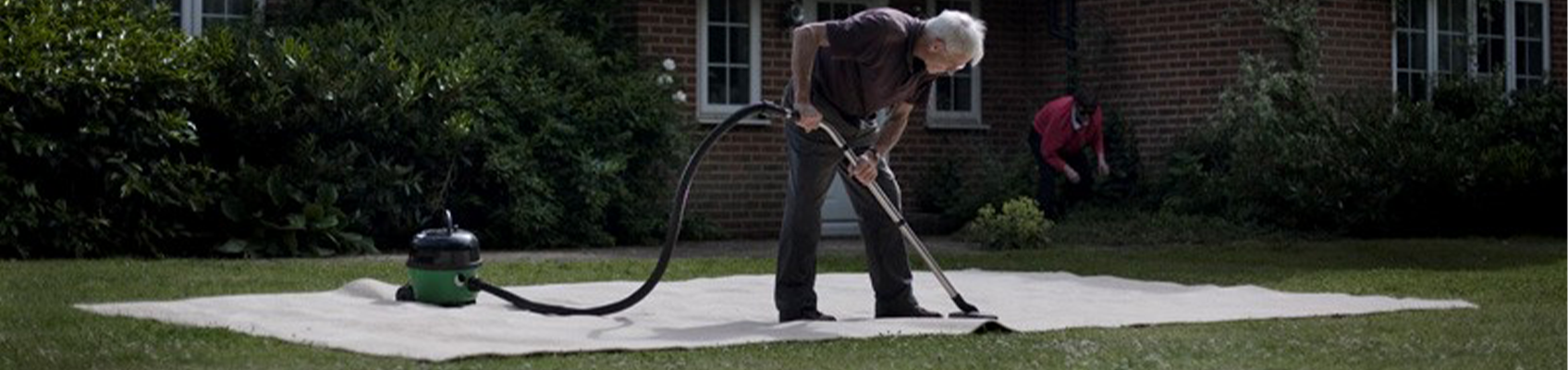
Beauty is like a hand that reaches out
Léonie Hampton is a British photographer known for her deeply personal and evocative storytelling that often explores memory, family, and the complexities of human relationships.
“How do I make the most of being human? What’s my responsibility for being here, in this time?”
This is where Léonie Hampton begins her journey through creativity and emotion. Her “philosophical outlook” compels her to ask: “What is the pain? Where is it coming from? And, what’s blocking the love and care in the world we live in?” Because, for Léonie, she sees “war, damage to the planet, or harm to other living beings”. It is this discomfort that she explores with her photography.
Photography allows her to connect to that personal journey. She likens it to looking “truthfully in the mirror”, but she won’t deny that the mirror isn’t always clear. “It’s full of shadows; things I can’t see, and things I can’t bear to see.” And while she admits that the physicality of the camera limits her emotional exploration, photography is present - “[it’s] right in front of me; and it’s the engagement with the mundane, the everyday, that really interests me”.
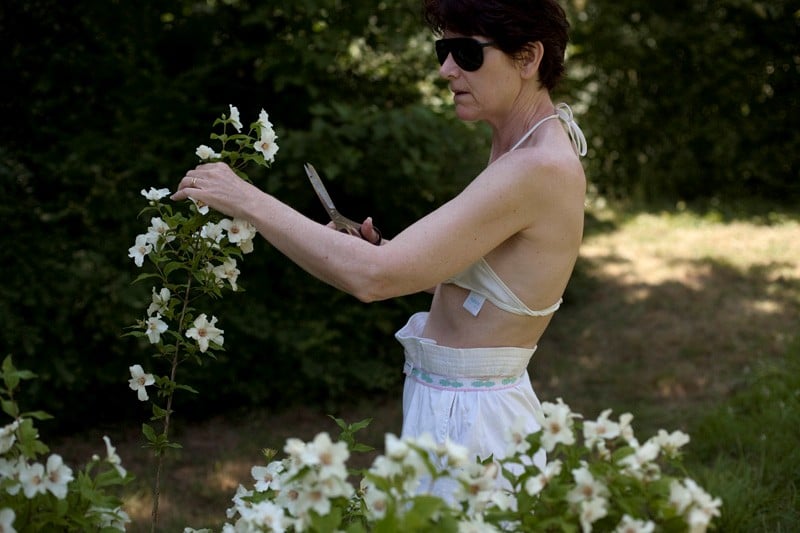
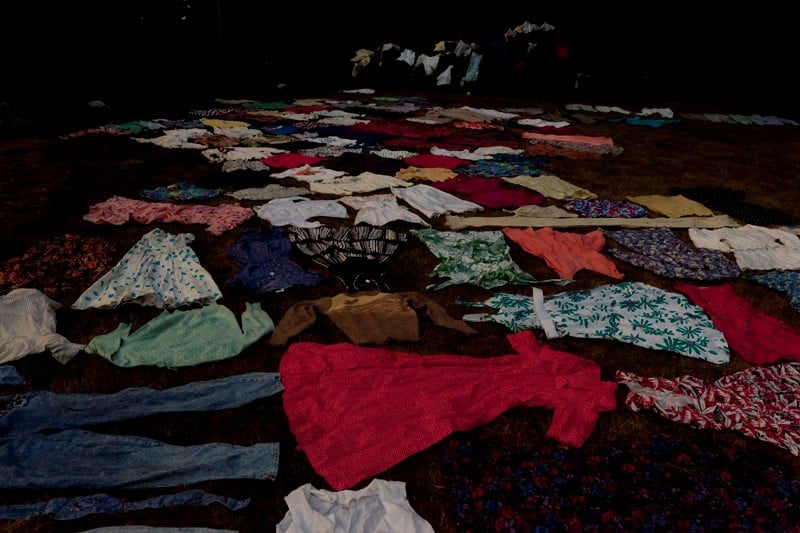
“I’m wary of calling it therapy - I'm not sure that’s how I experience it“
The relationship Léonie has with her photography offers her the “opportunity to ask bigger, more philosophical questions about our world and who we are.” She sees it as an opportunity to learn about herself, as it helps her “confront uncomfortable truths that are personal and matter to me. It’s about transformation, trying to heal, [and] not getting stuck in patterns I don’t want.”
“The camera has been one of the most powerful tools I’ve found to speed up that process. It shows me something I might have been hiding from, and then I have the opportunity to figure out what I'm going to do about that. It’s a magic medium.”
“There's poetry; a dream world; a psyche involved in what the camera is doing.”
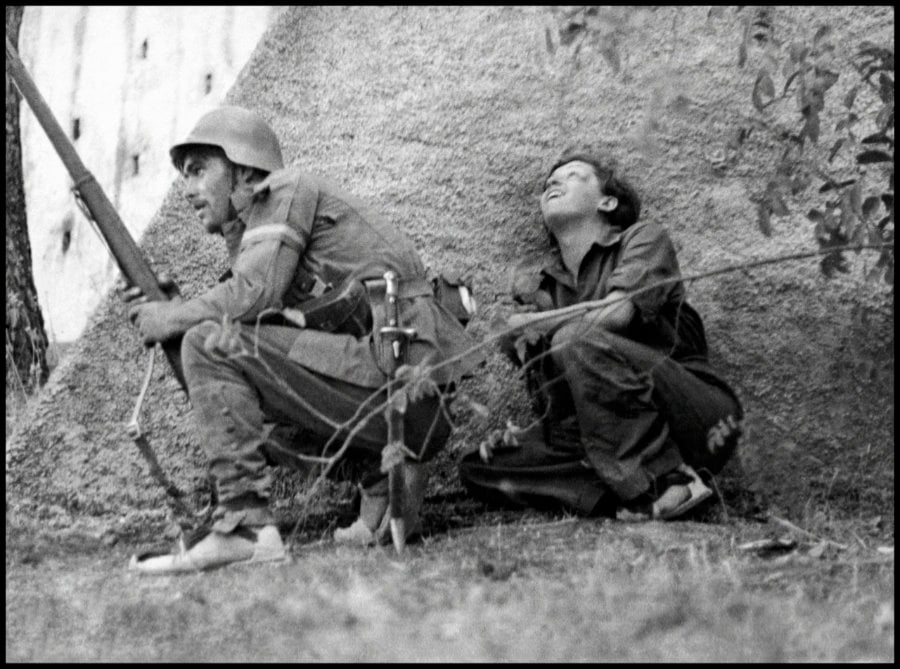
Léonie’s photography sits somewhere between documentary and photojournalism. She feels there’s often limitations put on these genres. To her, a camera isn’t purely a literal tool or instrument; it’s a metaphorical bridge between the physical world and the human psyche. She talks about documentary photography being too simplified and binary, and that we should fight for deeper meaning.
The person behind the lens is a human being capturing an experience, not just what’s directly in front of them. “The moments [in time] you choose to photograph, the stories you decide to tell, and the way you edit and present your final work all involve layers of complex human experiences.”
She says that by leaning into “lyrical, emotional, [and] feeling-based images,” photography can reach people in ways words often cannot. Her approach is to prioritise this connection and trust your “bodily” response to an image over an analytical one. "The body can help us navigate and help us see which way to go," she explains.
An example she gives is one of the works of Miguel Rio Branco, a Brazilian photographer affiliated with Magnum. “His work caught my eye - it was very poetic, lyrical work, with little text… I found a book of his called ‘Silent Book’. There are no words inside, just images. I started looking through and began to cry. And to this day, I cannot tell you why.”
“I’ve looked at that book many times since, and I don’t cry every time I open it, but there was something in those images that moved me. It was so cathartic, so beautiful, and experiences like that help me realise my commitment to figuring out that magic.”
“It felt so beautiful to cry and not know why, and in this case, to be free from a worded explanation. I really cherish moments like that and celebrate photography that works on that level. “
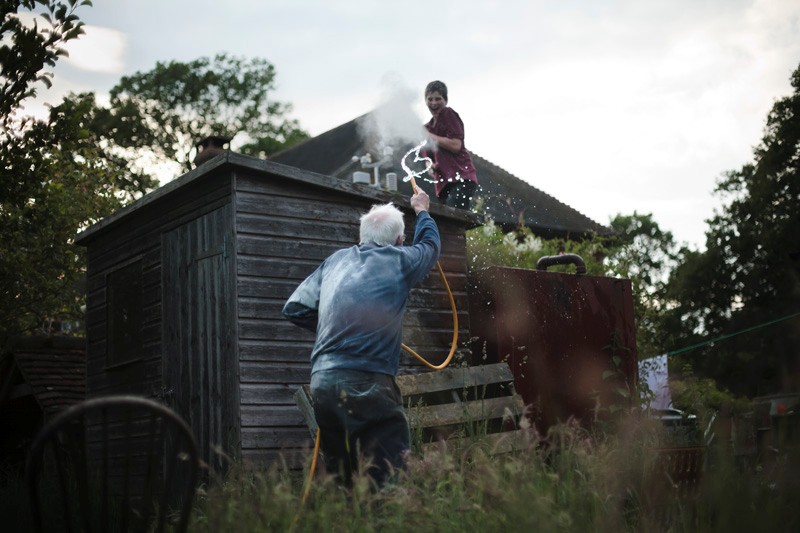
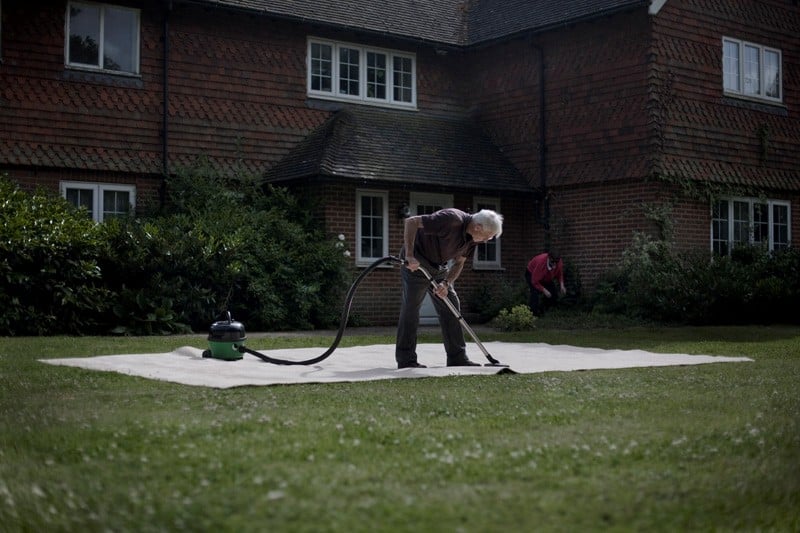
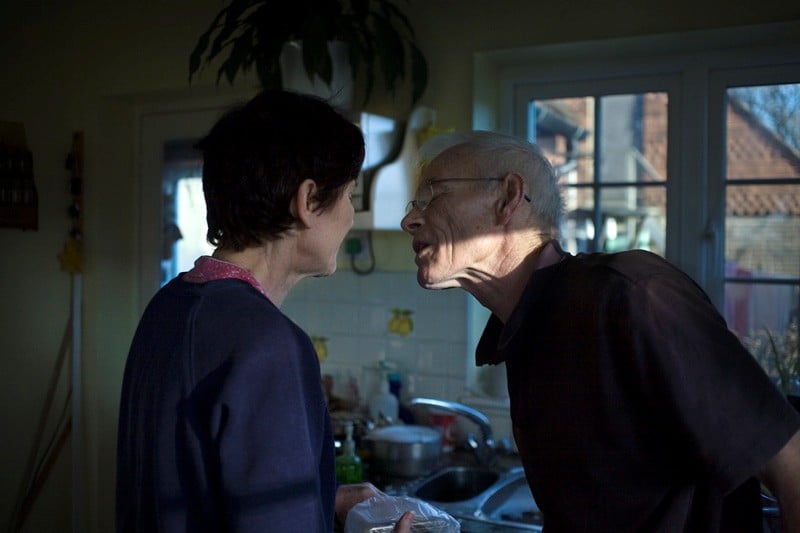
“Beauty, to me, is like a hand that reaches out”
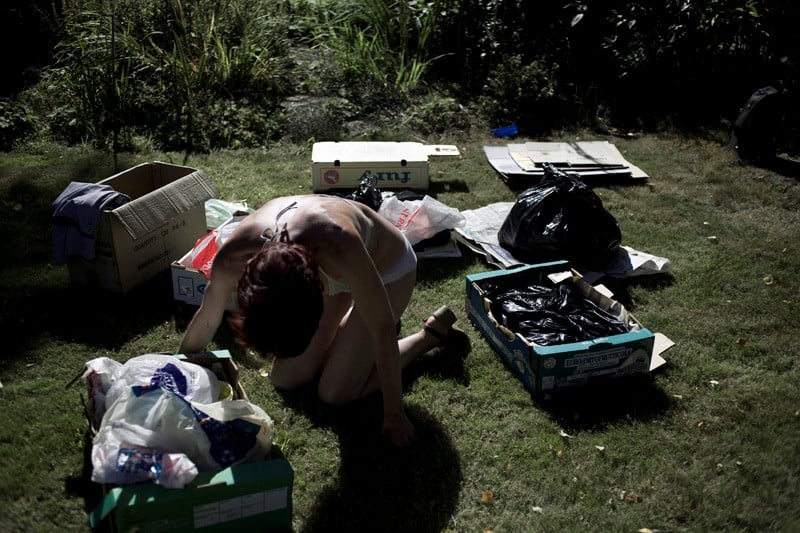
Despite the weight of the subjects she explores, from family relations and pathology to more recent work in environmental crises, Léonie is always on the search for beauty. She describes having a “weakness” for it, though the beauty in her photography is less about aesthetics, and more about balance. “A lot of my work deals with difficult, troubling and personal subjects, but I’m always looking for the beauty within them. Without that, it becomes a kind of pure despair.”
Her photography is layered, and its meaning can shift and develop over time, even from one look to the next. Much of that depends on what the viewer brings with them, their personal experiences and emotions. In doing so, Léonie speaks to the subjective nature of looking and the different ways images can be read.
“We forget we’re all bringing so much into each moment - our feelings and experiences - and that’s unique to each of us.”
And perhaps that’s where the power of photography lies. It doesn’t have to provide answers, but instead creates a space where something can be felt, whether you are the one making the images or simply experiencing them.
Learn more about Léonie’s work on her websites:
https://www.léoniehampton.com/
https://stillmoving.org/
And, you can watch our video piece with Léonie here.
This article is part of our #ChangeTheImage | Photography as a Therapeutic Tool campaign.
Photography can be much more than a way of documenting the world around us. For many, it can become a way to process experiences, express emotions that are difficult to put into words, and reconnect with ourselves and others. Through making and sharing images, photography can offer a powerful tool for reflection, understanding and healing.
Here at Wex Photo Video, we are constantly reminded that how we choose to capture the world has never mattered more. The way we see — and the way we portray others — holds the power to influence the world around us, from shifting public opinion to inspiring meaningful change. We are reminded once again of the profound importance of documenting the lives, stories, and moments that shape our shared human experience.
About the Author
Leo White has been part of the Wex Photo Video team since 2018, working across the contact centre, product setup, and now within the editorial and marketing team. Alongside his day-to-day work, he is a writer and editor, helping to shape product copy, articles and wider brand communications. With a BA and MA in Photography, he combines academic study with hands-on experience of photographic equipment and image-making, bringing clarity and practical insight to the way complex ideas are communicated.
Trending Articles
Sign up for our newsletter today!
- Subscribe for exclusive discounts and special offers
- Receive our monthly content roundups
- Get the latest news and know-how from our experts