The weight of the archive
Oliver Raschka is a self-taught photographer and a behavioural economics doctorate, whose focus is on the visual sociology of the everyday, emphasising trauma, identity, family narratives, and adolescence.
“I’ve always been fascinated with human behaviour”
This is what Oliver realised through photography practice, addressing trauma and depression. It was also what triggered his decision to explore photography and business psychology in his studies, devoting his doctoral thesis to behavioural sciences in organisations and economic markets.
His studies have given him a foundation in communication, interaction, and the ways human behaviours play out in different contexts; specifically, recognising underlying patterns behind symptoms and using them to develop constructive behavioural changes.
In his latest archival work, “Sorrow Is All The Pain of Love” – a series where he explores how personal traumas of serious family events, illnesses and burnout, manifest visually – his experience and training helped him recognise structures and relationships within his family.
“Generally, I try to capture the natural behaviours closest to my family's true nature, not allowing myself to be distracted by escapism, but rather capture the everyday things that shape our lives… In doing so, I have gained a new level of observation, meaning, and growth.”
“Over the past 20 years, my life has been shaped by constant change and shifting meaning.”
After his mother’s sudden death, Oliver began to take photography more seriously, and the journey that followed led him to reflect deeply on the fragility of life.
Today, he examines his own fleeting existence more closely, and as a result, his daily life and conscious storytelling have become a constant. “I react to the decisive moment through photography. The images I share are unfiltered snapshots of the everyday life of a family.”
“I don't plan to depict specific situations or emotions when taking photographs. I don't stage scenes. Instead, I simply use my camera to capture what I see in front of me – a silent observer, capturing the present moment,” Oliver says.
Oliver explains that “if you are engaged with your surroundings or familiar with the subjects, you can anticipate the shots and capture them as naturally as possible.”
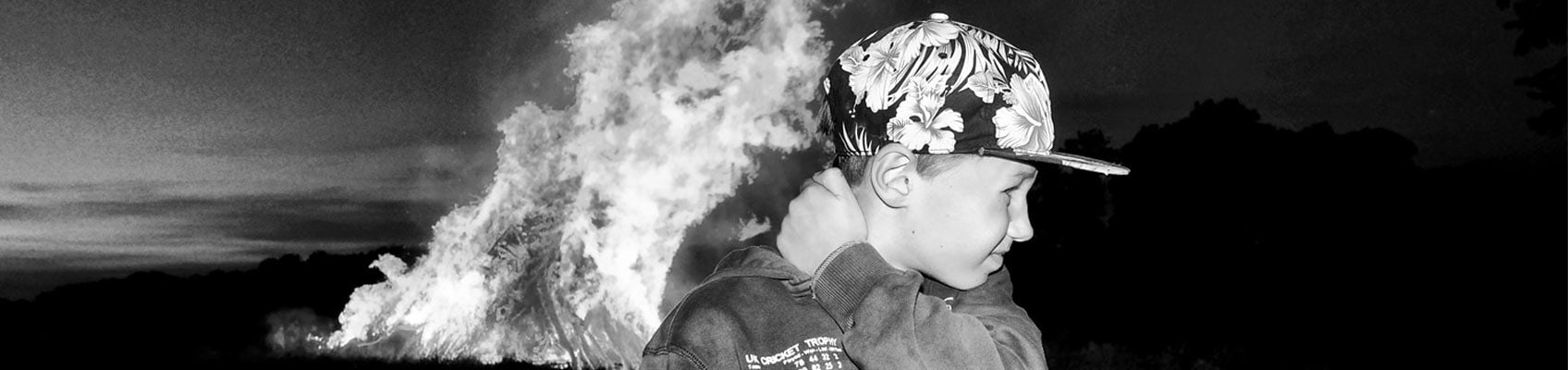
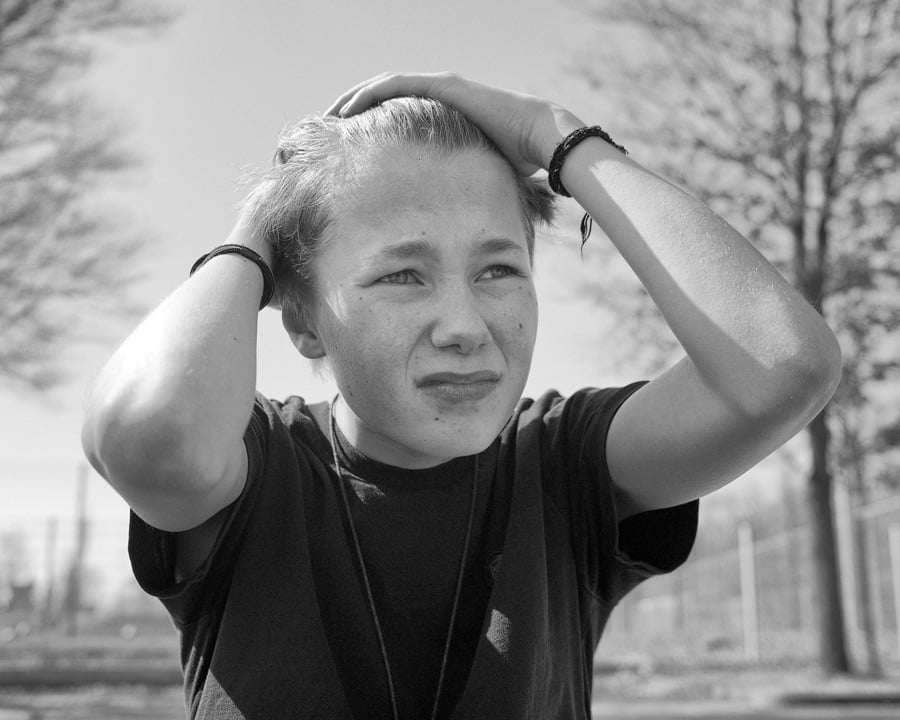
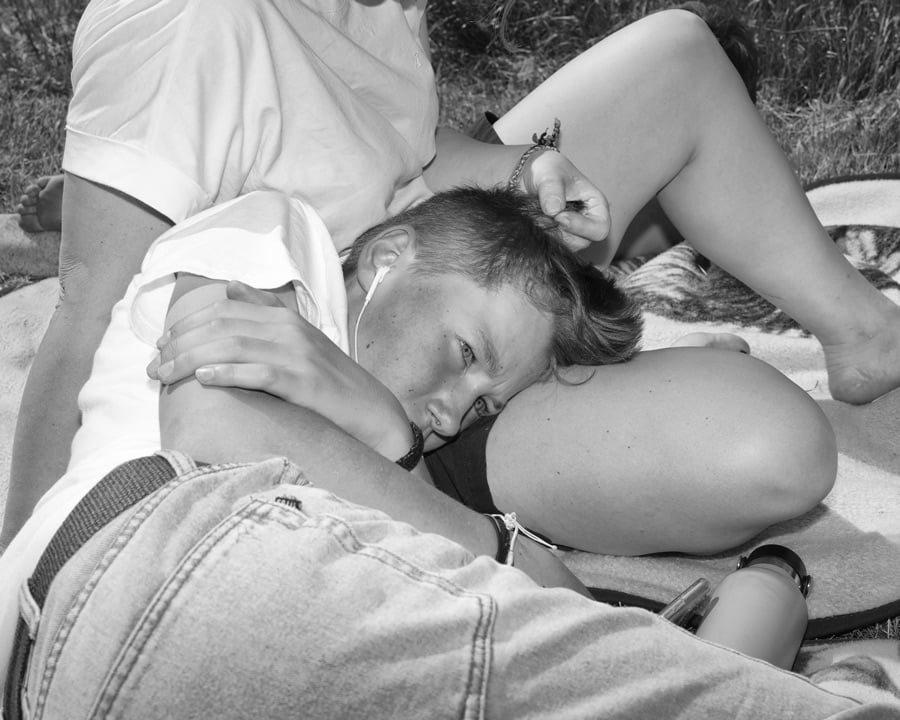
And these learnings and realisations have been essential for his long–term projects documenting the everyday lives of his two sons, from childhood to adolescence – The World Ain't Enough, which deals with childhood and living in the moment, and Tween, which explores the years of puberty during the pandemic.
“Ultimately, both projects ask the same questions:
What is it like to be a child or teenager in these tense times?
What drives young people today?
What are the similarities and differences between my youth and my relationship with my parents?”
As his children have grown, so has Oliver’s role as a parent – shifting towards “guidance and support rather than parenting”, and that is reflected in the imagery, especially in Tween. Experiencing his children go through puberty during the pandemic made Oliver realise that children transitioning from “childhood to adolescence face many challenges they cannot, and should not have to handle, many of which stem from adults who are often unable to resolve them wisely or quickly.”
“Young people receive too little social attention regarding their worries and fears for the future, leaving them at risk of falling through the cracks”, he says. He sees little improvement from his youth, with the similarities between his youth and theirs being quite striking; “they are simply different points in time on the same plot line, both personally and socially."
Oliver thanks these long–term projects for offering him the chance to experience “life’s rollercoaster once again, both as a photographer and as a father.”
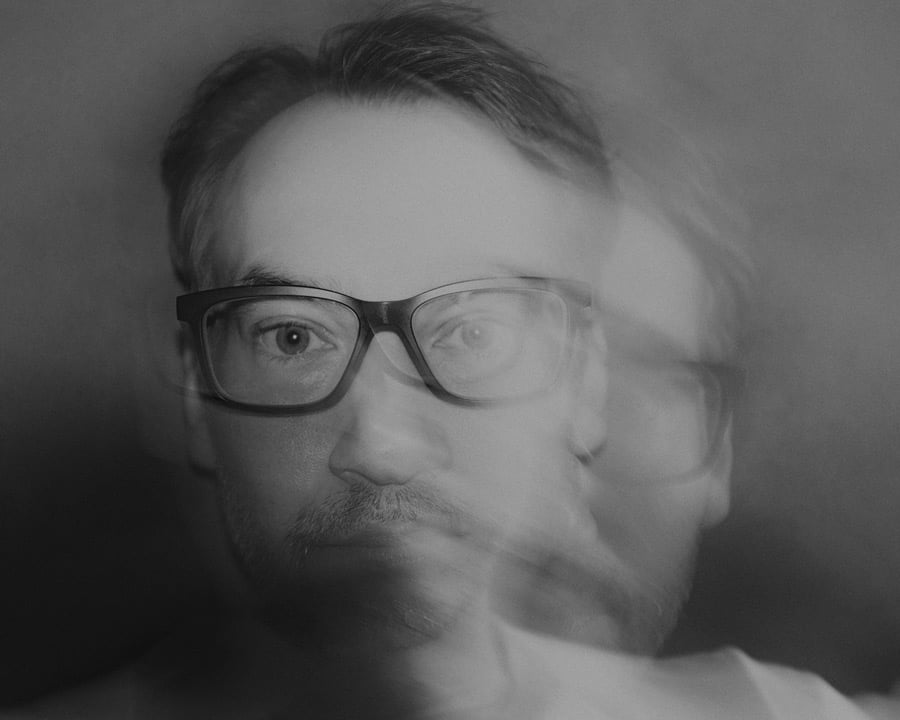
“My move towards 'honest' self–portraits reflects a process of self–acceptance, embracing both strengths and weaknesses without reservation, and understanding that life as a whole is a journey.”
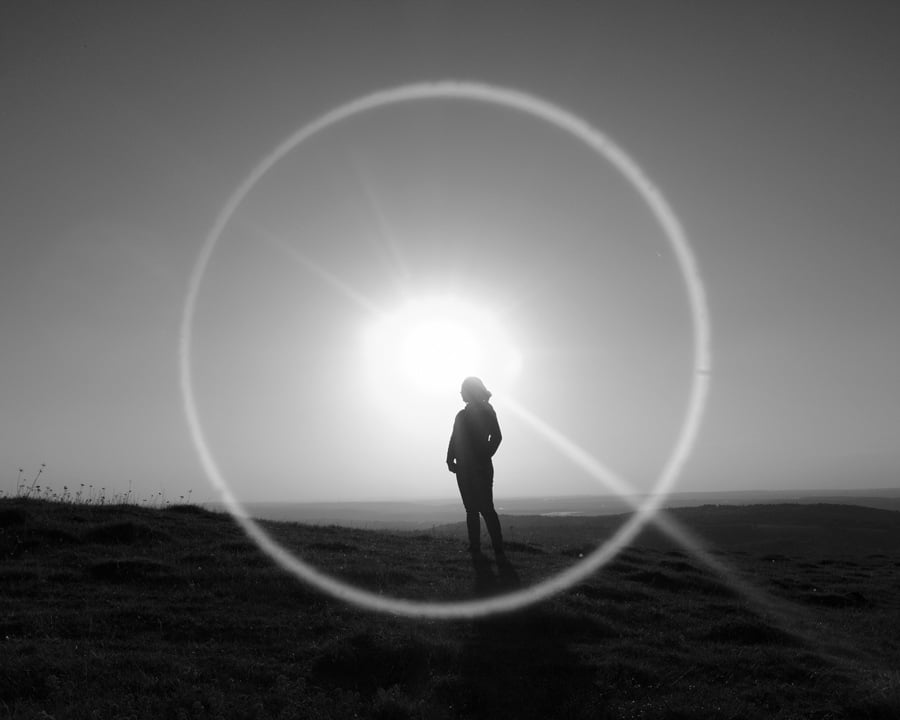
Reflecting on his life, Oliver has noticed how his photography has changed. During the early years of his Sorrow Is All The Pain of Love project, he took silhouette–like self–portraits, but today, they are direct.
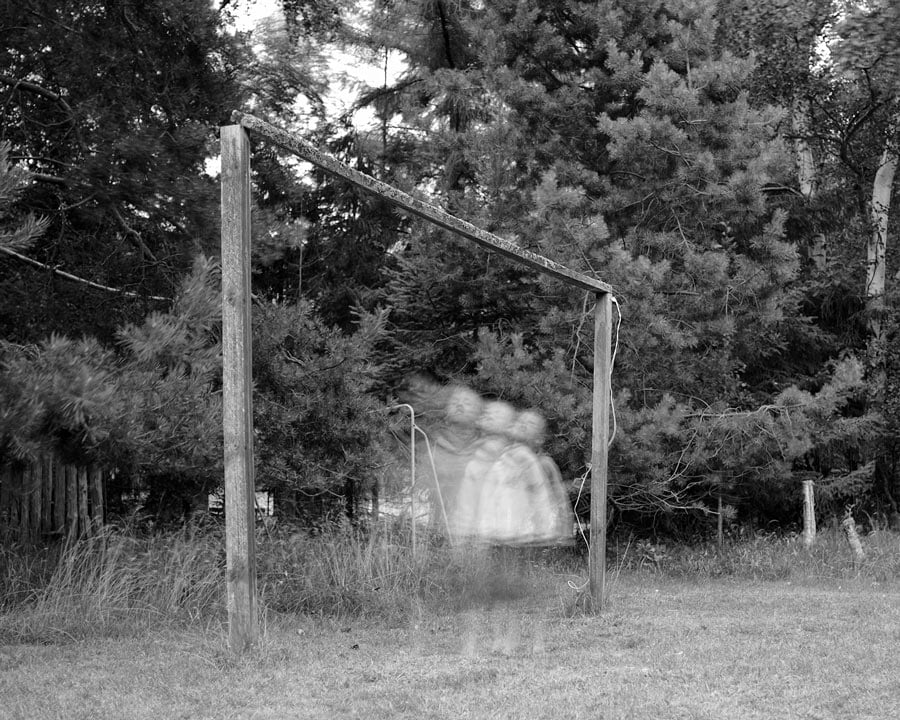
Looking through his archive, he can see that this reinforced the feeling of “floating through life like a ghost instead of being present in the here and now”. He says that he “needed the shadow” to reassure himself that he was “there”, but at the same time, he was “ephemeral and transparent” to his surroundings.
It was the move toward what he refers to as “honest” self–portraits that reflects his process of self–acceptance throughout his life, and he sees similarities within his teenage sons. But, with his matured understanding of self, he’s been able to respond with greater support and security.
He talks about how this project is driven by love for oneself but also for the people who hold a special place in our lives. One of the goals of his images is “universal readability”, allowing any viewer to see the images and tap into a space of sensitivity and self–reflection for the scene they depict.
For Oliver, the archive has also become a tool in his everyday life. “I now use these photographs within the context of trauma therapy, gradually developing my own personal approach.”
Follow Oliver on his Instagram here.
Order his photobook TWEEN here.
This article is part of our #ChangeTheImage | Photography as a Therapeutic Tool campaign.
Photography can be much more than a way of documenting the world around us. For many, it can become a way to process experiences, express emotions that are difficult to put into words, and reconnect with ourselves and others. Through making and sharing images, photography can offer a powerful tool for reflection, understanding and healing.
Here at Wex Photo Video, we are constantly reminded that how we choose to capture the world has never mattered more. The way we see — and the way we portray others — holds the power to influence the world around us, from shifting public opinion to inspiring meaningful change. We are reminded once again of the profound importance of documenting the lives, stories, and moments that shape our shared human experience.
About the Author
Leo White has been part of the Wex Photo Video team since 2018, working across the contact centre, product setup, and now within the editorial and marketing team. Alongside his day-to-day work, he is a writer and editor, helping to shape product copy, articles and wider brand communications. With a BA and MA in Photography, he combines academic study with hands-on experience of photographic equipment and image-making, bringing clarity and practical insight to the way complex ideas are communicated.
Trending Articles

The Wex Blog


Sign up for our newsletter today!
- Subscribe for exclusive discounts and special offers
- Receive our monthly content roundups
- Get the latest news and know-how from our experts